








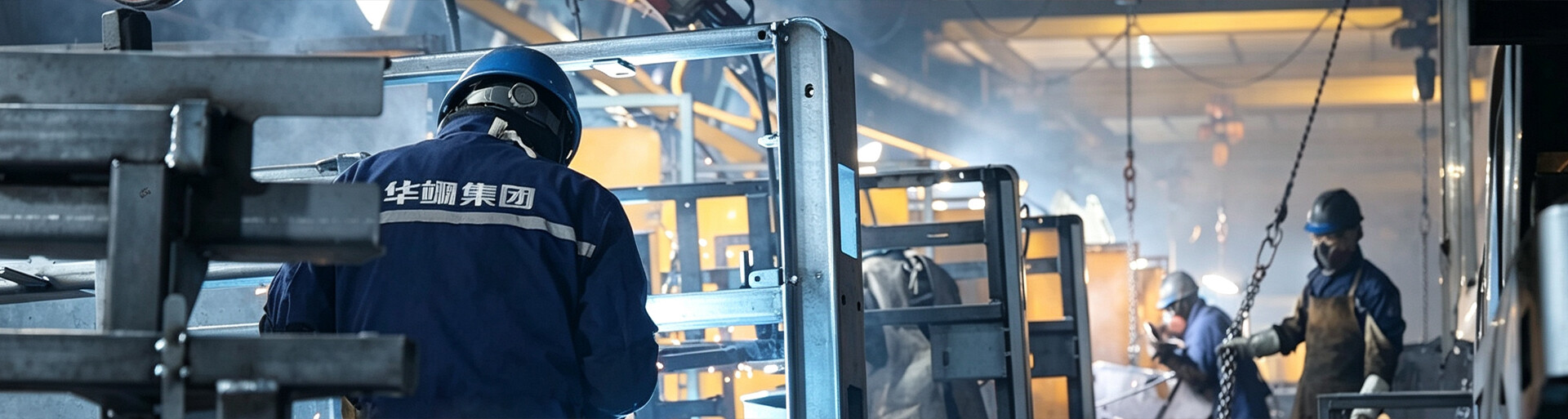
In terms of market structure, a clear dual‑giant dominance has emerged. Horizon Construction Equipment and Huatie Emergency together hold 56% of the market share. Mid‑tier players including Zoneng United and Tongguan Machinery focus on niche segments, forming a tiered competition landscape. The Yangtze River Delta and Pearl River Delta serve as core demand regions, while central‑western China registers 18% growth and becomes a major incremental market. Business models are evolving from pure rental to financial leasing and bundled integrated construction‑solution packages, and comprehensive service capability has become a key competitive factor. Technological innovation acts as the core driving force for the sector. Carbon‑fiber booms cut equipment weight by 30%. Electrification accelerates adoption of green construction. Intelligent control systems improve operation safety and accuracy, and optimized hydraulic transmissions enhance adaptability to complex working conditions.
Overall, the industry is driven by two forces: market‑scale expansion and rising market concentration. Existing‑asset upgrading goes hand‑in‑hand with new‑demand release. Leading players leverage capital resources, digital operations and nationwide networks to speed up market consolidation while weaker players exit the market. In the future, rental enterprises with large‑scale equipment reserves, core‑technology barriers and refined‑service capacity will keep leading the high‑quality development of the industry.


 鲁公网安备37081102000580号